The Form Nobody Explains
You got the acceptance letter, the conditional offer, or the license application packet. Somewhere in it is a line that says you need a background check — BCI, FBI, WebCheck, sometimes all three words in the same sentence — and a deadline attached to your start date.
Here is what should happen: you walk in, get scanned, hand over the paperwork, and your prints go where they are supposed to go the first time. That is how it works when you know which check you need and what code it runs under. Here is how we make it work: our counter runs Live Scan digital fingerprinting for Ohio BCI and FBI checks, and we check your paperwork against the submission before anything gets sent.
Most people do not get tripped up by the fingerprinting. They get tripped up by the form. Here is the part nobody explains.
The Reason Code Is the Whole Ballgame
The systemic problem here is not a person. It is a blank field on a form.
Every Ohio background check runs under a reason code — an Ohio Revised Code number that tells BCI why your prints are being submitted. The Ohio Attorney General's FBI reason code table lists codes for specific licenses and jobs: 4723 09 for nurses, RNs, LPNs, and dialysis techs; 4735 143 for real estate salespersons and brokers; 3319 39 for public school employees and school bus drivers; 3319 291 for school licensure through the Ohio Department of Education; 2151 86 for out-of-home child care, foster parents, adoptive parents, and everyone 18 and over living in the home; 4757 101 for counselors, social workers, and marriage and family therapists; 4749 06 for private investigators and security guards. There are dozens more, and they change as legislation adds them.
That code decides everything downstream: which database your prints hit, whether the state sends a direct copy to your licensing board, and whether the submission is even valid. The Ohio Attorney General's office is blunt about what happens when it goes wrong: once a transaction is submitted, BCI cannot change the information. A new background check has to be submitted, and no credits are issued for submission errors.
Read that again. A wrong code is not a correction — it is a full second payment and a second wait, on the clock of a deadline your employer already gave you. (If you are still deciding where to get it done, our electronic fingerprinting near Cleveland guide covers the location hunt; this one covers the paperwork.)
And the form does not tell you your code. The WebCheck request form has a blank line for the reason and blank lines for the BCI and FBI ORC numbers. The organization requesting the check is supposed to supply them. Plenty of packets do; some just say "get fingerprinted" and leave you to figure out the rest. If you show up without the code, or guess one, you are gambling your fee and your start date on a blank line.
Standing at the Counter With the Blank Line
You are standing at the counter with your driver license out and a folder of paperwork you have skimmed three times. The form asks for the ORC number requiring the background check — BCI and FBI, two separate lines. You flip through the packet. The offer letter says "complete all required background checks." The HR email is from someone on vacation.
Your thumb hovers over the blank ORC line. The HR email is three days old. You read it again: "complete all required background checks." Is this BCI only, or BCI and FBI? Every nursing student and real estate applicant in Ohio has stood exactly where you are standing, holding the same folder, having the same small panic — because picking wrong does not just delay things, it costs the whole fee again.
Why One Blank Line Shouldn't Cost You a Start Date
A licensing requirement written by the state should come with the code attached. You already got the offer. You already passed the interview. The paperwork exists because the state and the board want the same outcome you do — you cleared, you licensed, you working.
Instead, the burden of getting a statutory reason code right lands on the applicant, on a form with a blank line, with a zero-refund policy behind it. A wrong code costs you the full fee again and puts you at the back of the state's queue. That is the trap.
The Counter Where the Folder Gets Sorted
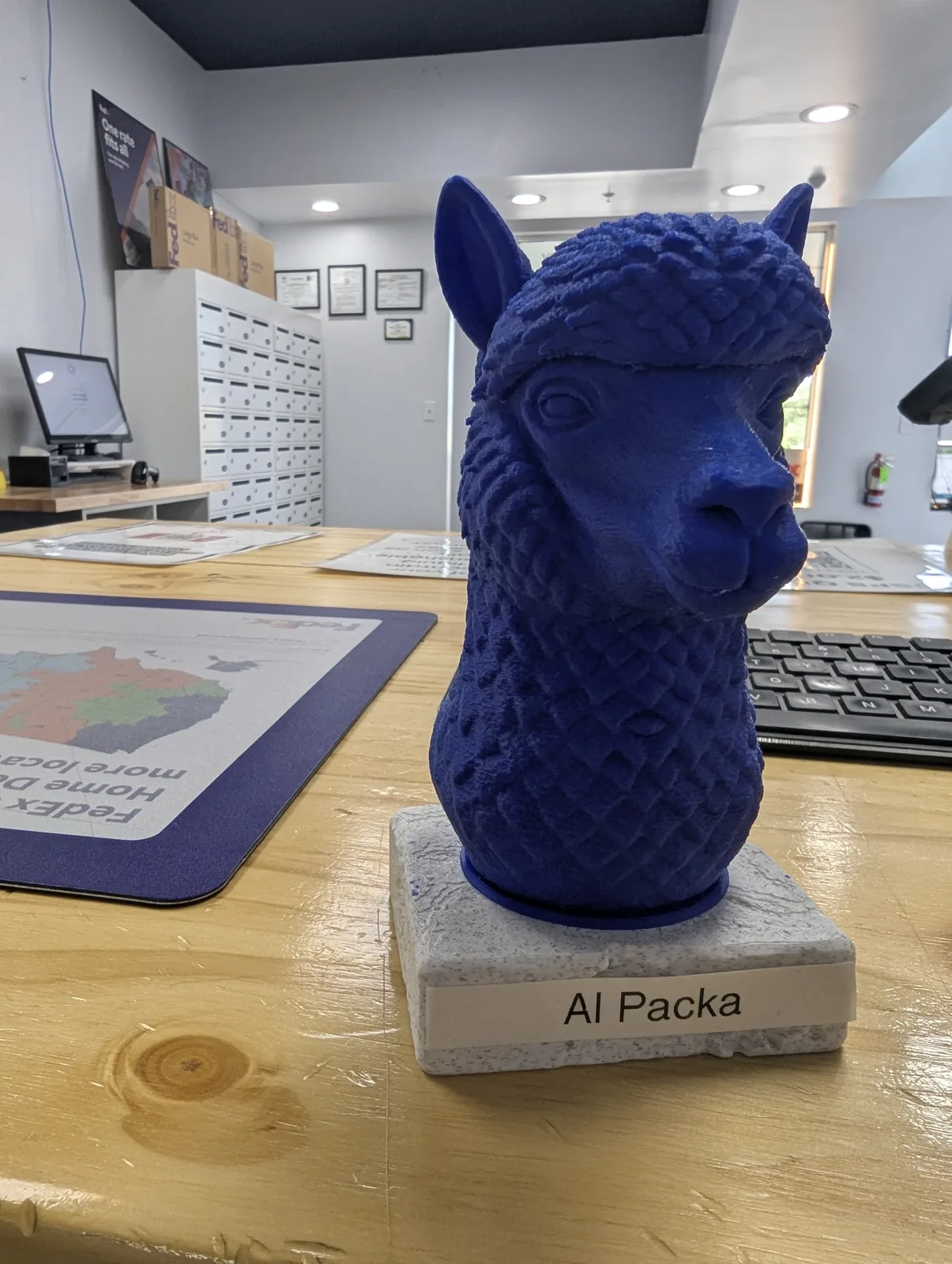
The counter and copy center window at Mailbox Plus in Concord Township, Ohio, where fingerprinting appointments and document paperwork get handled every day
At the counter in Concord Township, we see the folder-on-the-counter moment constantly — nursing students from the Lake County programs, real estate applicants, school volunteers, foster and adoptive parents with stacks of ODJFS paperwork. Our store is a FastFingerprints location, which means we are part of the national WebCheck network the Ohio Attorney General's own FAQ points people to for electronic submissions.
Here is the deal: you should not have to study the reason code table to get fingerprinted correctly. Bring the paperwork you were given — even if it feels incomplete — and we go through it with you before anything is submitted. If your packet genuinely does not name a code, the right move is to call your board or employer before your prints go anywhere, because a five-minute phone call beats a rejected submission every time. Our job is to catch the blank line before it becomes your problem.
One boundary worth knowing before you book: BCI can only process FBI checks for specific types of Ohio employment. If you need an FBI check for personal use — or for immigration purposes, which BCI cannot handle on the FBI side at all — the submission does not go through an Ohio WebCheck location. The AG's office directs personal-use FBI requests straight to the FBI. Knowing this before you drive anywhere saves you a trip. For a broader map of who needs which check — teachers, nurses, daycare workers — see digital fingerprinting and background checks in Ohio.
BCI vs FBI vs Both: The Comparison
The two checks are not competing products — they answer different questions.
Ohio BCI check. Searches Ohio criminal history records only. If your entire record history is in-state and your license is a state license, this may be all your board requires. Some Ohio licenses — a handful of the codes in the state's table — run BCI alone.
FBI check. Searches the national FBI database, covering records from all fifty states. It answers the question Ohio records cannot: what happened elsewhere? If you have lived out of state, boards that care about that fact will require it. And the FBI side only moves for specific Ohio employment purposes — it is not a walk-in service for personal curiosity.
BCI and FBI together. The most common pairing for licensing. Nurses, school employees, child care and foster/adoptive households, and many healthcare licenses require both, because the board wants the state record and the national one. On the WebCheck request form, that means an ORC number on both lines — and results that come back separately.
One detail that catches people: BCI and FBI results are processed separately. You can get a rejection letter on one while the other clears. Do not assume a rejection letter means everything failed, and do not assume silence on one side means both are fine — you resubmit only for the check that was rejected.
At our counter, current capture pricing starts at $45 for an Ohio BCI check, $58 for an FBI check, and $80 for a combined BCI & FBI check, with electronically captured prints available on FD-258 fingerprint cards for $35. Pricing varies across WebCheck locations because each site sets its own capture fee on top of state and federal costs, so confirm current pricing when you book.
Three Steps, No Homework
Three steps, and none of them require you to become an expert on the reason code table.
- Bring what you have. Your photo ID and whatever paperwork your employer, school, or board gave you — even if it looks incomplete. Do not pre-sort it, do not try to self-identify your code. Appointments are booked online in advance, and the whole counter visit is built around walk-in-simple.
- Check the paperwork together, before submission. We match the reason and ORC fields against your packet, confirm which check or checks your board requires, and sort out where results go — the direct-copy options on the form include the Ohio Board of Nursing, the Ohio Department of Education, the Division of Real Estate, and a long list of other boards. If the packet does not name a code, we tell you to get it from the source before anything is submitted. Nothing goes electronic until that field is right.
- Get scanned and go. Digital capture — no ink, no cards to smudge, no mail-in month-long wait. Prints transmit electronically to BCI and, when required, the FBI. Results usually return within days; complicated cases can take up to 30 days, which is why the smart play is booking as soon as your packet arrives, not the week of your deadline.
What You Lose by Guessing
Money. A submission under the wrong code is not corrected — it is resubmitted, and no credits are issued. At $45 to $80 a pass plus whatever time the rebook costs you, a blank-line guess is the most expensive typing error in the licensing process.
Time. Your results are on the state's clock, not yours. A rejected check puts you at the back of that queue again, usually with an employer deadline now breathing on your neck. Every day the resubmission sits is a day your start date slips.
The clean start. A rejected or misdirected check follows you through the process — the board asks questions, HR waits, the file that was supposed to be routine becomes the one item on someone's checklist. None of that drama exists when the code is right the first time.
The Drive Home With It Done
You book early, bring the folder, and ten minutes later the submission is in. You walk out past the mailbox wall into the Gristmill Village lot — just off Crile Road, minutes from SR-44 and I-90 — and the mental tab labeled "background check" closes. No second-guessing the form on the drive home. No refreshing an inbox waiting for a rejection letter. The state has your prints under the right code, your board gets its copy, and the only thing left on your end is showing up on your start date.
That is what this errand is supposed to feel like. It can, when the code is right the first time.
Bring the Folder, Not the Answers
You do not need to have decoded the WebCheck form, memorized your ORC number, or figured out BCI-versus-FBI before you walk in. Bring the packet your employer or board gave you, exactly as it is — deciphering it with you is part of the counter, not homework we assign. Book a time, bring your photo ID and the paperwork, and we will sort the codes together before a single print goes anywhere. The blank line is our problem to catch. That is why the counter exists.