Common Items That Are Hazardous Materials
You might be surprised what counts as a hazardous material. Perfume, nail polish, aerosol cans, batteries, cleaning products, and more — all have specific rules for shipping.
Surprise — These Are Hazmat
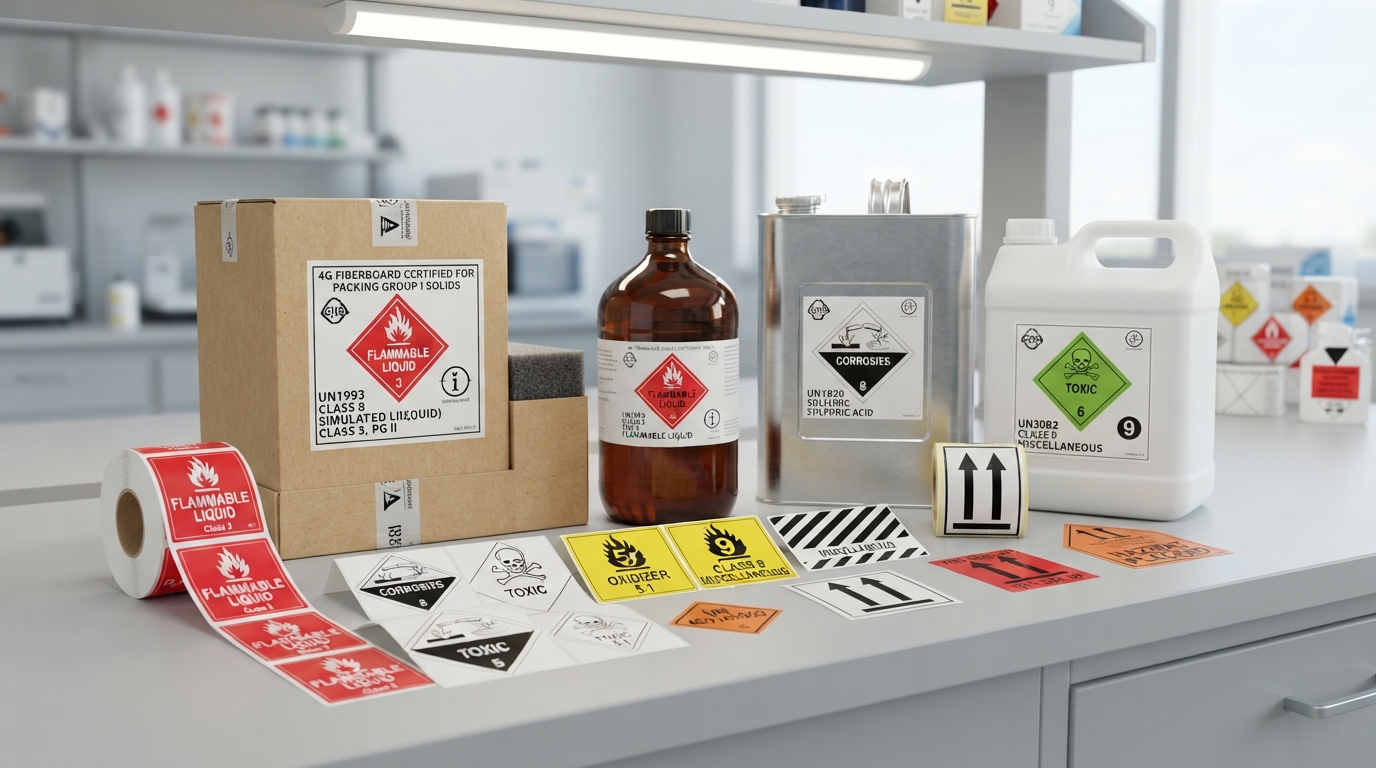
Many everyday items are regulated as hazardous materials (dangerous goods) when shipped. Carriers classify them based on their chemical properties — flammability, corrosiveness, toxicity, or reactivity. Here are common items that frequently surprise people:
- Perfume & cologne — contain alcohol (flammable liquid)
- Nail polish & nail polish remover — flammable liquids
- Aerosol cans — hairspray, deodorant, spray paint, cooking spray, whipped cream (flammable gas)
- Cleaning products — bleach, ammonia, drain cleaners, oven cleaners (corrosive/toxic)
- Batteries — lithium, lithium-ion, wet/car batteries (various hazmat classes)
- Matches & lighters — flammable solids
- Camping fuel / lighter fluid — flammable liquids
- Paint, varnish, stain — flammable liquids
- Pool chemicals — chlorine tablets, shock treatments (oxidizers)
- Propane tanks — flammable gas (generally not accepted at retail)
- Mercury thermometers — toxic substance
- Fire extinguishers — compressed gas
- Hand sanitizer — alcohol-based (flammable liquid, limited quantities OK)
How Hazmat Shipping Works
When you ship a hazardous material, the rules depend on quantity and service level:
- Limited Quantity (LQ) — Small amounts of certain hazmat can ship under simplified rules with hazmat labeling but no shipping papers. Usually ground-only, sometimes air.
- Fully Regulated — Larger quantities require a hazardous materials contract, certified training, shipping papers (DOT or IATA declaration), and specific packaging.
Important: Most retail shipping stores (including us and the big chains) cannot accept fully regulated hazmat for drop-off. Limited Quantity hazmat may be accepted by some carriers, but rules vary.
What We Can Do
We cannot accept hazmat packages at our counter, but we can help in other ways:
- Provide packaging supplies for non-hazmat items
- Advise on which carrier to contact for your specific hazmat needs
- Ship non-regulated items — 99% of everyday packages go through without issue
We are not attorneys and cannot provide legal advice. This information is for educational purposes and reflects carrier policies as we understand them. Laws vary by state and change frequently. Always consult the carrier directly and review applicable federal and state regulations before shipping regulated items.
Reference: UPS common hazardous items list →
Frequently Asked Questions
Get quick answers to the most common questions about packaging, carriers, pricing, and what to expect.
Can I ship a bottle of perfume?
Can I ship a can of spray paint?
What happens if I ship hazmat without declaring it?
Not sure if your item counts as hazmat? Call us — we can help you figure it out before you bring it in.
Contact Us →